Why Do We Wear Wedding Rings on the Left Hand
As you glide down the aisle, a vision in your Devotion Dresses gown, every detail meticulously chosen to embody your unique love story, you anticipate the …
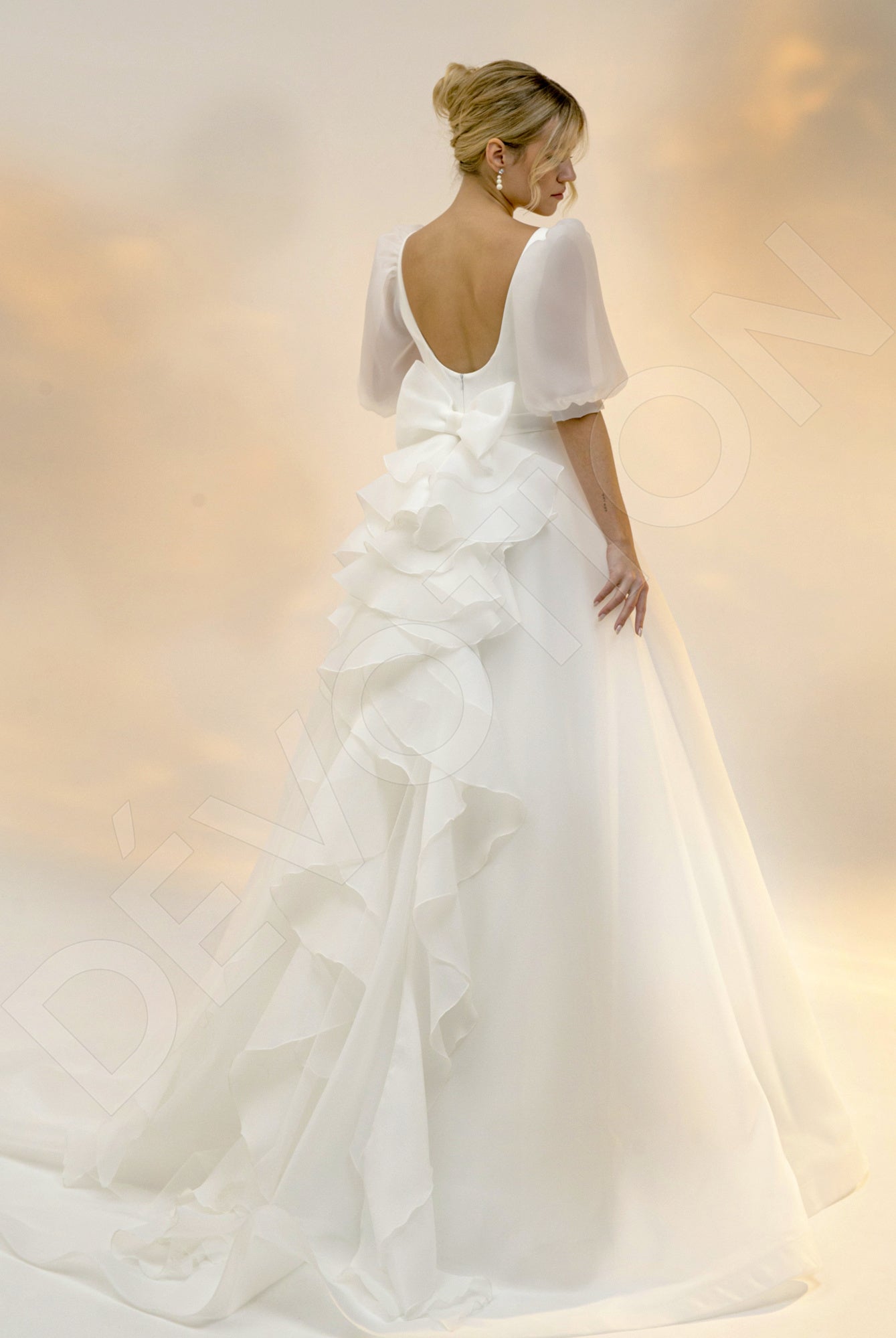
As you glide down the aisle, a vision in your Devotion Dresses gown, every detail meticulously chosen to embody your unique love story, you anticipate the moment your beloved slips that precious band onto your finger. This small, shimmering circle of metal, a timeless emblem of unending devotion, will find its home on your left hand. But have you ever paused to wonder why? In a world rich with wedding customs, this particular tradition stands out, a silent testament to centuries of romance, superstition, and heartfelt commitment. Join us as we unravel the captivating history and profound symbolism behind why we wear wedding rings on the left hand.
The Ancient Whisper of the Vena Amoris
The most enduring and romantic explanation for the left-hand ring placement hails from ancient Rome and Egypt: the concept of the "Vena Amoris," or "Vein of Love." It was believed that a special vein ran directly from the fourth finger of the left hand straight to the heart. This direct connection made it the perfect conduit for love to flow, cementing the bond between two souls. While modern anatomy has debunked the singular existence of such a vein, the poetic sentiment behind it has resonated through generations, lending a beautiful, almost magical significance to this finger. Imagine the power of a tradition rooted in the very organ of love itself!
A Tapestry of Cultural Beliefs and Superstitions
Beyond the enchanting Vena Amoris, various cultural beliefs and superstitions have contributed to the left-hand tradition. In many ancient societies, the left side of the body was often associated with intuition, emotion, and the feminine, while the right was linked to rationality and the masculine. Placing a symbol of eternal love on the left hand thus enhanced its emotional resonance.
Consider also the practicalities of a bygone era. In many cultures, the right hand was the dominant hand, used for labor, warfare, and daily tasks. Placing a delicate or valuable ring on the less-used left hand offered greater protection from damage and wear, ensuring its longevity as a symbol of an enduring promise.
The Evolution Through Time: From Roman Law to Christian Custom
The journey of the wedding ring's placement is a fascinating historical trek:
- Ancient Rome: While the Vena Amoris was a popular belief, Roman law also played a role. In some instances, a ring was given during betrothal as a legal bond, symbolizing ownership and a formal agreement, often placed on the left hand.
- Early Christianity: Initially, there was no strict rule regarding which hand to wear the ring on. However, as Christianity spread, the symbolism of the left hand gradually became more ingrained. Some early Christian texts referenced the left hand in relation to marriage vows.
- Medieval Europe: The tradition solidified further during the Middle Ages. The priest would often touch the ring to the thumb, forefinger, and middle finger before placing it on the ring finger, symbolizing the Holy Trinity in some interpretations.
- The Protestant Reformation: During the Reformation, some Protestant regions shifted the ring to the right hand as a rejection of Catholic traditions. This is why today, some European countries, particularly those with strong Protestant histories, still wear wedding rings on the right hand.
"The wedding ring is a symbol not only of commitment, but of a promise, a pact, and an unending circle of love that transcends time and tradition."
Global Variations: A Right-Handed Love in Some Cultures
While the left hand is prevalent in much of the Western world, it's important to acknowledge that love knows no single hand. Many cultures proudly wear their wedding rings on the right hand. This is particularly common in:
- Central and Eastern European countries: Nations like Germany, Russia, Poland, Austria, and Norway often favor the right hand.
- India: In traditional Hindu weddings, the ring is typically worn on the right hand.
- Some South American countries: Brazil and Colombia are examples where the right hand is customary.
- Religious reasons: Certain Orthodox Christian faiths also dictate the ring be worn on the right hand.
These variations highlight that while the symbolism of the ring itself is universal, the specific finger or hand it adorns can be a beautiful reflection of cultural heritage and personal identity.
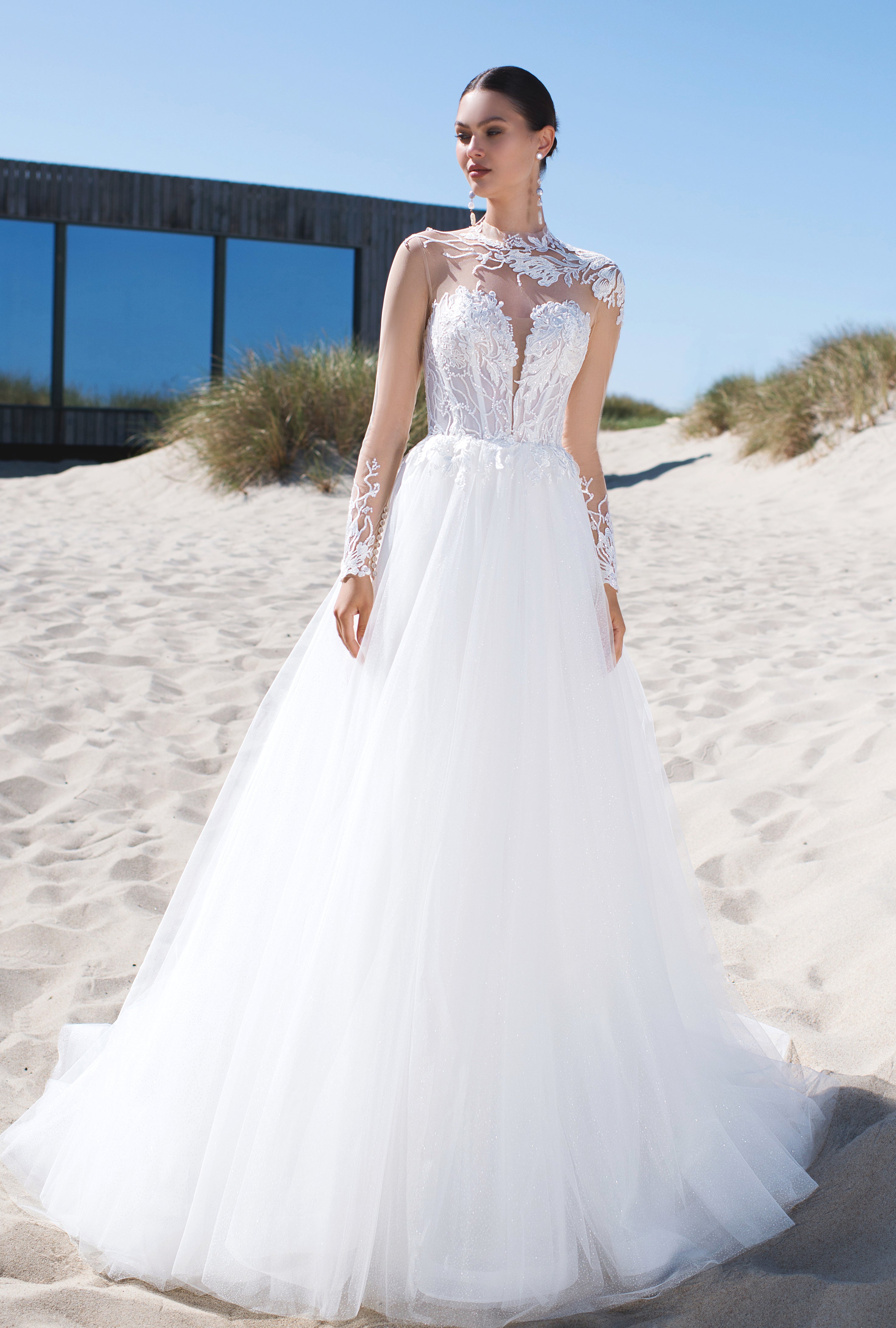 A bride looking radiant in a Lusta A-line Illusion Off-white Wedding dress
The Modern Perspective: Personal Choice and Practicality
Today, while tradition holds strong, many couples also consider personal preference and practicality when deciding where to wear their rings.
- Comfort and Dominance: For those who are right-handed, wearing the ring on the left can prevent it from interfering with daily tasks or getting damaged.
- Engagement Ring Stacking: In many Western cultures, the engagement ring is worn on the left hand, and the wedding band is then placed on top, closest to the heart. This creates a beautiful stacked look.
- Cultural Blend: For couples from different cultural backgrounds, the choice can be a meaningful blend of their heritages or a new tradition they create together.
- Symbolic Meaning: Ultimately, the most important aspect remains the profound meaning the ring carries – a visible declaration of unending love and commitment.
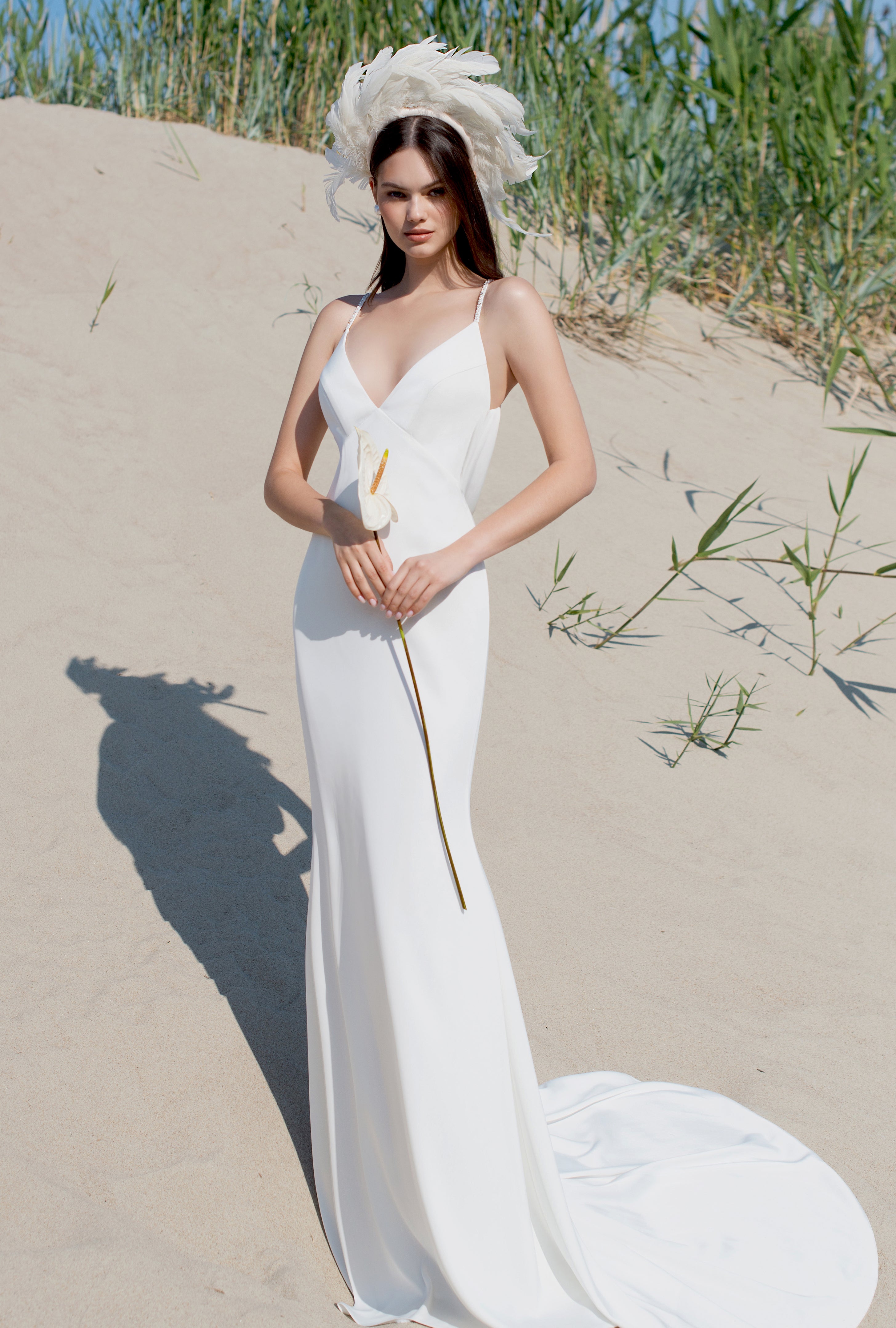 A bride showcasing elegance in a Liva Trumpet/Mermaid V-neck Off-white Wedding dress
Whether nestled on your left hand, an echo of the ancient Vena Amoris, or gracing your right, a nod to your unique heritage, your wedding ring is a powerful and personal emblem. It is a constant, tangible reminder of the sacred vows you exchange and the beautiful journey you embark on together. At Devotion Dresses, we understand that every detail of your wedding, from the intricate lace of your gown to the placement of your ring, tells a part of your extraordinary love story. May your chosen tradition bring you endless joy and a lifetime of cherished memories.
Browse Wedding Dresses · More from the blog