A Look at Wedding Veil History
Imagine a bride, ethereal and radiant, gliding down the aisle. Her gown, a whisper of silk and lace, is a masterpiece, but what truly completes her …
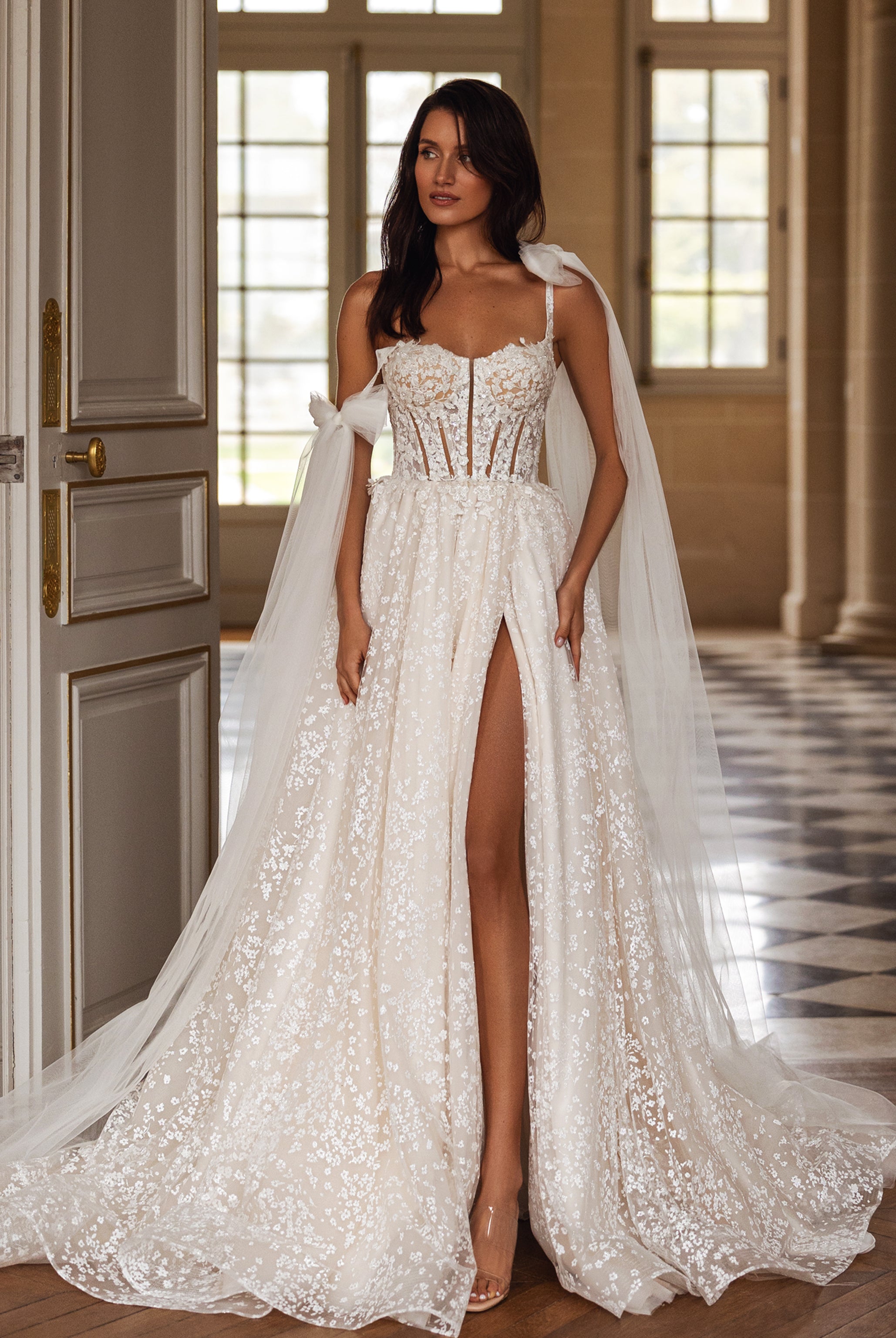
Imagine a bride, ethereal and radiant, gliding down the aisle. Her gown, a whisper of silk and lace, is a masterpiece, but what truly completes her vision, lending an air of enchantment and tradition, is the veil. More than just an accessory, the wedding veil is a symbol steeped in centuries of history, mystery, and evolving meaning. From ancient rituals to modern-day fashion statements, this delicate adornment has draped countless brides, embodying everything from protection to purity. Join us as we journey through time, unraveling the captivating story of the wedding veil, and discovering how this timeless piece continues to captivate hearts and inspire dreams at Devotion Dresses.
The Ancient Origins: A Shield Against the Unseen
Our story begins in the mists of antiquity, with the ancient Greeks and Romans often credited with originating the custom of veiled brides. Far from a mere fashion choice, the earliest veils served a profound, almost primal purpose: protection. In a world where superstition held significant sway, the veil was believed to be a powerful talisman. For the Romans, in particular, a flame-colored veil, known as the flammeum, was worn by brides to ward off evil spirits thought to be envious of their happiness and fertility. This vivid hue, reminiscent of fire, was thought to be especially potent in deterring malevolent forces from disrupting the sacred union.
The Greeks, too, embraced veiled brides, often employing sheer fabrics to symbolize modesty and purity. The act of unveiling the bride was a significant moment, signifying the transition from maiden to wife, and the acceptance of her new role within her husband's family. This early emphasis on protection and symbolism laid the groundwork for the veil's enduring presence in wedding traditions across cultures and millennia.
Medieval Mystique and the Veil of Modesty
As Christianity spread throughout Europe, the wedding veil continued to evolve, taking on new layers of meaning. During the medieval period, the veil became deeply intertwined with modesty, humility, and reverence. Brides often wore long, flowing veils that covered their heads and faces, reflecting the religious emphasis on purity and the sacredness of the marital union. These veils were not merely decorative; they were a visual representation of the bride's devotion and her commitment to her vows.
The unveiling remained a pivotal moment, often performed by the groom or a parent, symbolizing the acceptance of the bride into her new life and family. The fabric and length of the veil could also denote social status, with wealthier brides often adorning themselves with more elaborate and luxurious materials, sometimes even interwoven with precious threads or pearls.
Victorian Romance and the Veil's Golden Age
The 19th century, particularly the Victorian era, marked a significant turning point in the veil's history, elevating it to an icon of romance and bridal elegance. Queen Victoria herself played a pivotal role in popularizing the white wedding dress and, consequently, the white veil. Before her marriage to Prince Albert in 1840, vibrant colors and patterned fabrics were more common for wedding attire. Her choice of a simple, elegant white gown and a long lace veil set a precedent that continues to influence bridal fashion today.
The Victorian veil was often long and elaborate, made from delicate lace or fine tulle, cascading gracefully to the floor or even beyond, creating a truly majestic silhouette. It symbolized:
- Purity and Innocence: The white color reinforced this ideal.
- Modesty and Demureness: Covering the face was a sign of a virtuous bride.
- Mystery and Allure: The veil added an air of anticipation and enchantment.
- Social Status: The intricacy and quality of the lace often indicated the family's wealth and standing.
This era cemented the veil's place as an almost indispensable part of the bridal ensemble, intrinsically linked with the ideals of romantic love and traditional marriage.
"A wedding veil is more than just fabric; it's a whisper of history, a drape of dreams, and a crowning touch of timeless elegance."
The 20th Century and Beyond: Fashion, Freedom, and Personal Expression
As the 20th century dawned, societal norms shifted, and so too did bridal fashion. While the veil remained a beloved tradition, brides began to embrace more freedom in their choices. The roaring twenties saw shorter, more daring hemlines, and veils often followed suit, with cloche hats and short, fingertip-length veils gaining popularity.
Post-World War II, Hollywood glamour influenced bridal styles, leading to a resurgence of longer, more dramatic veils, often paired with elegant ballgowns. The latter half of the century saw an even greater diversification in veil styles, lengths, and materials, allowing brides to truly personalize their look.
Today, the wedding veil is a celebration of personal style and individual preference. While its historical significance is undeniable, modern brides wear veils for a myriad of reasons:
- To honor tradition: Many brides feel a deep connection to the generations of women who have walked down the aisle before them, veiled.
- To complete the bridal look: A veil can dramatically elevate a gown, adding texture, drama, or a touch of ethereal beauty.
- For photographic impact: Veils create stunning photo opportunities, from windswept moments to romantic, framed portraits.
- As a fashion statement: Designers continually innovate, offering veils in various lengths (birdcage, blusher, fingertip, chapel, cathedral), materials, and intricate embellishments.
- For a moment of ethereal beauty: The gentle sway of a veil or the soft framing of the face can create an unparalleled sense of bridal magic.
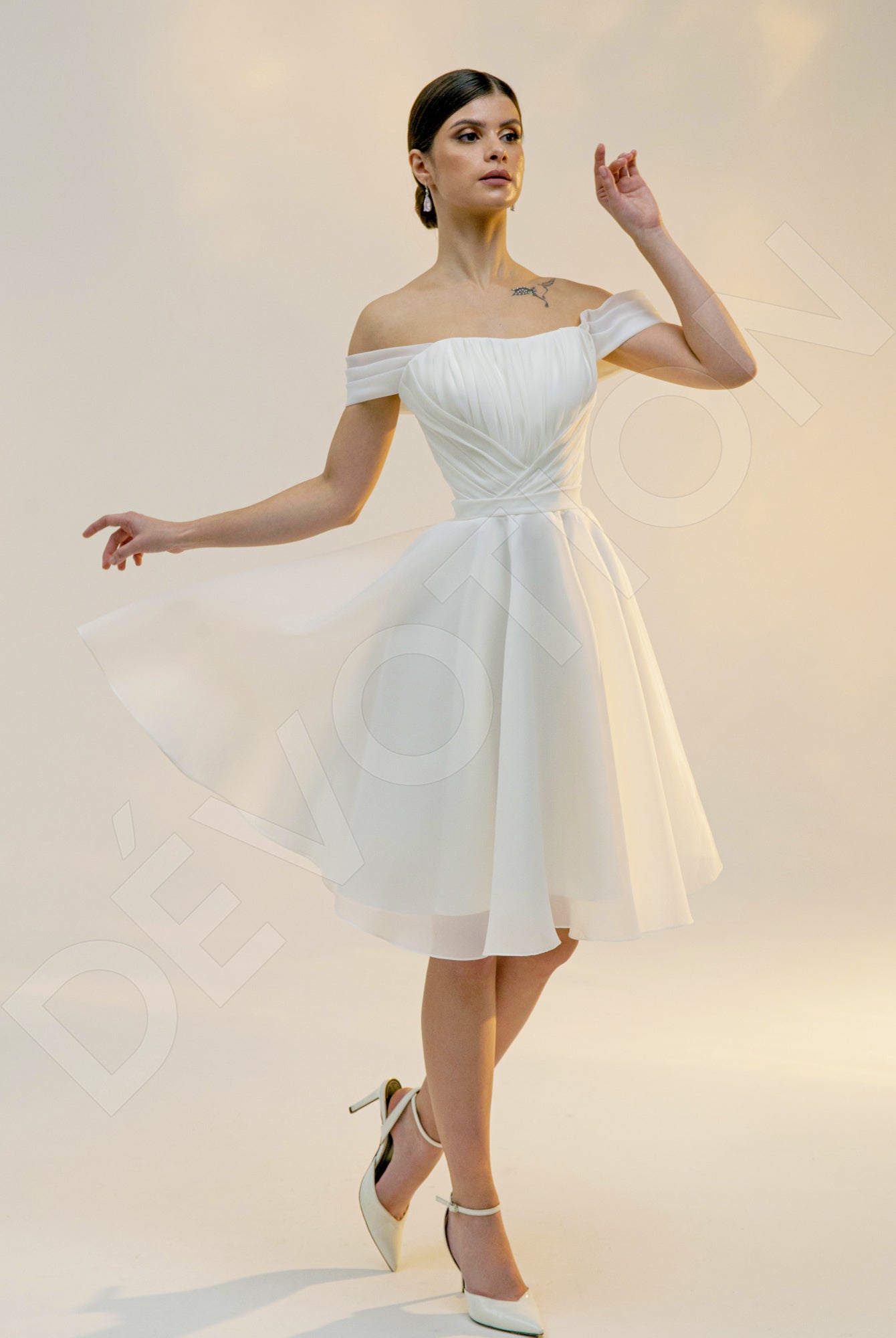 Remilia A-line Off-Shoulder/Drop Shoulders Light Ivory Wedding dress
Ultimately, the decision to wear a veil, and what style to choose, is entirely up to the bride. It's about finding what resonates with her heart, complements her dress, and expresses her unique vision for her special day.
Crafting Your Legacy with Devotion Dresses
From ancient superstitions to modern-day elegance, the wedding veil has journeyed through time, adapting and transforming, yet always retaining its profound significance. Whether you envision a dramatic cathedral veil trailing behind a majestic ballgown, or a delicate birdcage veil adding a touch of vintage charm, the perfect veil awaits to complete your bridal narrative. At Devotion Dresses, we understand that your wedding day is a tapestry woven with dreams, traditions, and personal touches. Our exquisite collection of European wedding dresses, designed with unparalleled craftsmanship and luxurious fabrics, provides the perfect canvas for your chosen veil. Let us help you find the gown and the veil that will not only complete your look but also symbolize the beginning of your beautiful journey, creating memories that will be cherished for a lifetime.
Browse Wedding Dresses · More from the blog